


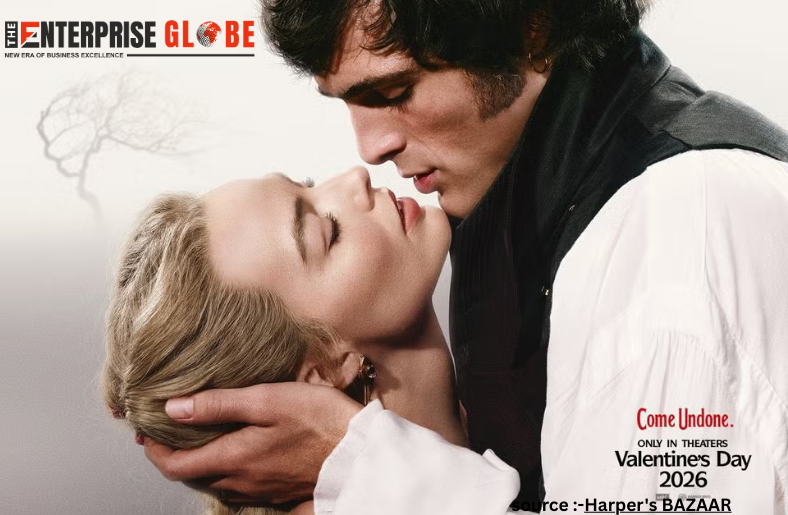
It’s a bit chilling when you stop to think about it, isn’t it? The idea that a single novel, written by a reclusive woman in a quiet parsonage nearly 200 years ago, still has the power to make us feel so unsettled and yet so captivated. There is something about the Yorkshire moors, the way the wind howls through the heather and the grey sky seems to press down on the earth that feels like the perfect mirror for the human heart at its most chaotic. Emily Brontë’s Wuthering Heights is a story of a love so obsessive it transcends the grave, a betrayal so deep that lasts generations, and a revenge that burns everything in its path. No wonder filmmakers have been trying to capture that lightning in a bottle for over a century. The sheer variety of Wuthering Heights movies we have seen from black-and-white Hollywood glamour to gritty, modern realism shows us that we are still trying to wrap our heads around Heathcliff and Cathy.
No matter if you are a lifelong Brontë fan who knows every line by heart or a newcomer just looking to see what all the fuss is about, diving into the world of Wuthering Heights movies is like walking out onto the moors yourself. It’s beautiful, it’s dangerous, and it’s deeply complicated.
Let’s know about the must-watch adaptations and how different Wuthering Heights movies have tried to translate that raw, destructive passion from the page to the screen.
About Wuthering Heights Movies
Wuthering Heights films include all the motion pictures and television shows that have been created from Emily Brontë’s 1847 novel. The intense dramatic content of the book has motivated directors to spend over a century trying to capture its wild energy through cinematic adaptations. The films tell the story of Heathcliff, who is portrayed as an enigmatic orphan because of his destructive relationship with Catherine Earnshaw. Some versions present the story as a classic Hollywood romance, while others focus on Gothic elements by depicting mud and rain and exploring revenge and obsession through dark themes. The films present various interpretations of the story through their different cinematic styles which include both refined historical reenactments and unfiltered authentic portrayals of characters.
Why Is Wuthering Heights So Famous?
The continuous appeal of Wuthering Heights stems from its three main elements which still connect with audiences today.
1. A Unique Gothic Romance
The bond between Heathcliff and Catherine represents an extreme form of love that creates a destructive and tragic relationship. The story persists as a classic because of its intense dark love depiction.
2. Deep and Compelling Characters
Heathcliff stands as one of the most enigmatic anti-heroes in literary history. The character’s emotional depth combined with his morally ambiguous nature creates a compelling portrayal for filmmakers to adapt into their movies.
3. Atmospheric Setting
The Yorkshire moors which experience constant wind serve as an important component for the narrative. Wuthering Heights films use the intense landscapes to reflect how characters experience their inner emotional conflicts.
4. Generational Drama
The novel shows how past events affect future outcomes through its examination of two historical character generations. The film adaptations gain additional storytelling complexity from this multiple layer of narrative.
5. Cultural influence
The novel Wuthering Heights serves as the most studied work of English literature because it appears in academic literature courses and current popular culture.
List of Wuthering Heights Movies
1. Wuthering Heights (1939)
The classic Hollywood adaptation features Laurence Olivier as Heathcliff and Merle Oberon as Catherine. The film adapts the first part of Emily Brontë’s novel also, its actors deliver powerful performances and the film achieves stunning visual effects through its cinematography. The movie established the Wuthering Heights story through its most recognizable version has become the benchmark for all subsequent film adaptations of the novel.
2. Wuthering Heights (1970)
Robert Fuest directs this adaptation, which stars Timothy Dalton in the role of Heathcliff. The film presents a more intense dark visual style which accentuates emotional conflicts together with the Gothic features of the Yorkshire moors.
3. Wuthering Heights (1992)
This adaptation of the novel, featuring Ralph Fiennes and Juliette Binoche as its main actors, included both generations of characters. Literature enthusiasts consider it one of the most respected Wuthering Heights film adaptations because its dark tone and powerful performances create a strong impact.
4. MTV’s Wuthering Heights (2003)
A modern retelling aimed at younger audiences, this film reimagines the classic story in a contemporary setting while keeping the themes of love, obsession, and revenge intact.
5. Wuthering Heights (2011)
The movie adaptation which Andrea Arnold directed has received critical acclaim because of its authentic style and emotional power. The film shot on the Yorkshire moors, uses naturalistic acting to create a more authentic portrayal of its characters.
Table Summary
| Movie Title | Year | Director | Notable Feature |
| Wuthering Heights | 1939 | William Wyler | Classic Hollywood adaptation |
| Wuthering Heights | 1970 | Robert Fuest | Dark and visually striking Gothic interpretation |
| Wuthering Heights | 1992 | Peter Kosminsky | Faithful to the novel, includes both generations |
| MTV’s Wuthering Heights | 2003 | Suri Krishnamma | Modern retelling for younger audiences |
| Wuthering Heights | 2011 | Andrea Arnold | Raw realism, naturalistic performances |
List of Wuthering Heights Books
1. Wuthering Heights (1847)
The Gothic novel Wuthering Heights tells the story of Heathcliff and Catherine Earnshaw which ends in tragedy because of their passionate love. The book Wuthering Heights presents dark themes through its emotionally intense content which special narrative approach creates all subsequent movie adaptations.
2. Jane Eyre (1847)
Emily Brontë sister wrote a novel which contains Gothic and romantic elements that match her sister’s literary style. The story of Jane and Mr. Rochester explores love, morality, and social class, making it a complementary read to Wuthering Heights.
3. The Tenant of Wildfell Hall (1848)
This Brontë classic novel discusses gender roles and marriage customs and social standards as its main topic. The dark and realistic depiction of relationships in this story connects with the relationship themes found throughout Wuthering Heights.
4. Heathcliff: The Return to Wuthering Heights (2007)
The sequel presents a contemporary interpretation of Heathcliff’s life after the events described in the original novel. The book expands its narrative while offering Wuthering Heights movie fans a new version of the traditional story.
5. The Brontë Sisters: A Biography (2015)
The biography provides a complete account of the Brontë sisters life events which created their literary works that impacted upcoming literature and adaptation processes.
Table Summary
| Book Title | Year | Author | Connection to Wuthering Heights |
| Wuthering Heights | 1847 | Emily Brontë | Original novel, foundation of all adaptations |
| Jane Eyre | 1847 | Charlotte Brontë | Shares Gothic and romantic themes |
| The Tenant of Wildfell Hall | 1848 | Anne Brontë | Explores social issues and relationships |
| Heathcliff: The Return to Wuthering Heights | 2007 | Lin Haire-Sargeant | Sequel to the original story |
| The Brontë Sisters: A Biography | 2015 | Juliet Barker | Provides context on Emily Brontë’s life and literary impact |
Interesting Facts About Wuthering Heights
- Emily Brontë originally published the book under a male pen name, Ellis Bell.
- The original handwritten manuscript of the novel has never been found and remains a mystery.
- Despite its dark and wild story, Emily Brontë was famous in her village for being an excellent bread baker.
- The story is structurally unique because it features exactly twelve character deaths.
- The house in the novel was inspired by a real farmhouse ruin called Top Withens, which you can still visit today.
Best Audience for Wuthering Heights Movies
These films are perfect for viewers who enjoy-
- Classic literature adaptations
- Dark romance stories
- Gothic drama films
- Historical period movies
- Complex character-driven narratives
Conclusion
There is a reason audiences keep coming back to the moors. If you prefer the old-school glamour of the 1930s or the muddy, raw feeling of the modern films, the Wuthering Heights movies prove that some stories are just too powerful to fade away. Emily Brontë managed to capture something deeply human, our obsessions, our heartbreaks, and that wild part of us that never quite fits in.
So, even if you are watching for the first time or the tenth, these films offer a chance to get lost in a world that feels both haunting and beautiful. Grab a blanket, pick a version that fits your mood, and let the wind from the moors take it from there. You might just find that once you have visited Wuthering Heights, a little piece of the story stays with you forever.
Also Read ;- The Enterprise Globe Magazine for more information