


Money doesn’t carry the same value everywhere—in some countries, even a small amount can reveal a much deeper story about the economy. Even though the spotlight often stays on the heavy hitters that dominate trade and headlines, the real drama is usually happening at the other end of the scale. The story of the weakest currencies in the world goes far beyond numbers on a screen which reflects how people deal with rising prices, political shifts, and the daily challenge of making ends meet in 2026. If you are a traveler looking for a budget-friendly destination or a professional tracking global trends, understanding why some money loses its value is a fascinating look into how our world really works.
In this guide, we will delve into the economic factors that push a currency to the bottom and rank the 10 nations currently facing the toughest exchange rates.
Why Do Currencies Become Weak?
A currency doesn’t just lose its value overnight for no reason. Usually, when you see the weakest currencies in the world, there are a few specific “red flags” behind the scenes-
1. Hyperinflation-
When a government prints too much money to cover its bills, the market gets flooded. This makes prices skyrocket and your local cash starts feeling more like paper than money.
2. Economic Sanctions-
Trade restrictions can basically cut a country off from the rest of the world. If no one can trade with you, no one wants your currency and its value drops.
3. Political Instability-
Investors hate uncertainty. If a country is dealing with unrest or corruption, people move their savings elsewhere that will be causing the local currency to tank.
4. Trade Imbalances-
If a country spends way more on imports than on exports, it has to sell its own currency to buy foreign ones which naturally drives the value down.
5. Low Foreign Exchange Reserves-
Think of foreign reserves like USD or gold as a country’s financial safety net. If and when the central bank runs out of these assets, it would proceed to the realization that it has no alternative but to buy back its currency.
Top 10 Weakest Currencies in the World
Here is a look at the currencies currently at the bottom of the list, along with the real-world factors keeping them there.
1. Iranian Rial (IRR)
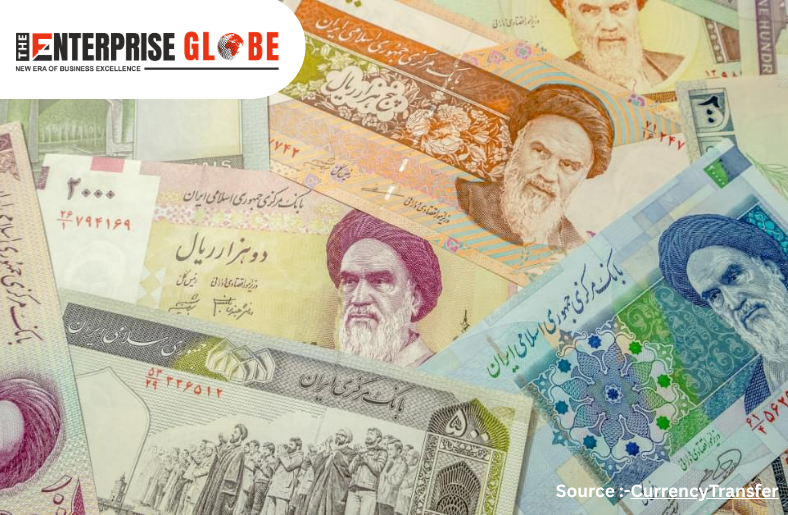
The Iranian Rial permanently holds the position of being the weakest currency among all worldwide currencies. International sanctions together with domestic economic problems have caused the Rial to experience ongoing difficulties throughout the past years. it is one of the lowest and Weakest Currencies in the World The government uses the Toman value which equals 10 Rials to create smaller financial figures while actual value reaches its lowest point in history.
2. Vietnamese Dong (VND)
Vietnam’s economy expands rapidly when it transforms into an international production center but the Dong continues to maintain its low value. The Vietnamese government maintains the current exchange rate to reduce export costs which improves international market competitiveness. The currency maintains its numerical value at a very low level while it displays better stability than most currencies on this list.
3. Laotian Kip (LAK)
Laos has experienced difficulties because of its more external debt and limited foreign exchange reserves. The country’s infrastructure investments which include dams and railways have created new debt obligations that have destroyed the Kip value by making it one of the weakest currencies worldwide.
4. Sierra Leonean Leone (SLL)
The Leone currency has faced ongoing problems because of structural damage which resulted from civil war and the past Ebola outbreak. The country possesses valuable diamond and mineral resources yet its economy suffers from weak currency value because of excessive inflation and insufficient export variety.
5. Indonesian Rupiah (IDR)
The G20 economy of Indonesia has enormous development capabilities which result in low value for its Rupiah currency. The low value which exists today in Vietnam stands as a remnant from the 1997 Asian financial crisis. Indonesian economy shows strong growth for 2026 yet the exchange rate appears “weak” because of excessive Rupiah circulation in the market.
6. Uzbekistani Som (UZS)
Uzbekistan has been liberalizing its economy since 2017. The country attracted foreign investment after implementing its initial stage which required major currency devaluation to match the official exchange rate with the market rate. The Som remains one of the Weakest Currencies in the World of currency globally.
7. Guinean Franc (GNF)
Guinea possesses the most extensive bauxite reserves worldwide yet political instability causes economic problems for the country. The Guinean Franc experiences its most negative effects from changes in government leadership and interruptions to mining operations.
8. Paraguayan Guarani (PYG)
The main agricultural exports of Paraguay consist of both soybeans and beef products. The Guarani currency experienced its most substantial devaluation during the early 2000s inflation crisis which impacted the economy. The country has maintained its current economic stability but its currency system has never experienced a total reset that would prevent normal exchange rate conversion with the USD.
9. Lebanese Pound (LBP)
The Lebanese Pound has experienced one of its most severe drops in value throughout contemporary history. The currency lost more than 95% of its value after the United States Dollar peg ended because of a major banking crisis and sovereign debt crisis. The black-market rate which provides a lower value, becomes the preferred choice over the official rate during the year 2026.
10. Colombian Peso (COP)
The Colombian Peso frequently undergoes value fluctuations which follow the changes in oil and coffee market prices. Colombia runs a complex economic system still its currency value has decreased because of government spending shortages and geopolitical instability which makes it one of the world’s most undervalued currencies.
Comparison Table: Exchange Rates (Approximate 2026 Values)
| Currency Name | Code | Approx. Units per 1 USD |
| Iranian Rial | IRR | 42,000 (Official) / 1,200,000+ (Market) |
| Vietnamese Dong | VND | 25,500 |
| Laotian Kip | LAK | 22,000 |
| Sierra Leonean Leone | SLL | 22,500 |
| Indonesian Rupiah | IDR | 16,200 |
| Uzbekistani Som | UZS | 12,900 |
| Guinean Franc | GNF | 8,600 |
| Paraguayan Guarani | PYG | 7,400 |
| Lebanese Pound | LBP | 15,000 (Official) / 90,000+ (Market) |
| Colombian Peso | COP | 3,900 |
The Human Impact of a Weak Currency
The numbers appear as ordinary statistics. The citizens of these countries experience a different reality. The country with its weakest currency in the world faces exorbitant prices for imported goods which include medicine and fuel and electronics.
Economic Insight- A weak currency can be a double-edged sword. While it makes life difficult for locals buying imported food, it makes the country a “bargain” for foreign tourists and makes local exports cheaper for other countries to buy.
People in Iran and Lebanon choose to save their money in USD or Euros instead of using local currency which is the Rial or Pound. The local currency experiences additional devaluation which creates an economic cycle that becomes extremely challenging to resolve.
The Future: Can These Currencies Recover?
Recovery is possible, but it requires radical “monetary reform.” In 2026, we are seeing more nations explore Central Bank Digital Currencies (CBDCs) and “redenomination” (dropping zeros from the bills) to restore psychological confidence in their money.
However, a stronger number on a banknote doesn’t mean a stronger economy. To move off the list of the weakest currencies in the world, these nations has to be focused on building stable political institutions, diversifying their exports beyond raw commodities, and controlling government spending to curb inflation.
Conclusion
Watching global currencies rise and fall is like checking a nation’s heartbeat. It’s easy to get caught up in exchange rates and endless zeros, but behind every currency there is a real story of struggle, adjustment, and strength. From families in places like Beirut trying to make their savings last to countries like Vietnam using a lower-valued currency to power manufacturing growth, money reflects much more than just value, it reflects determination.
As we move through 2026, the weakest currencies in the world remind us that real economic strength isn’t only about numbers on a banknote. It’s about stability, trust, and the effort countries put into building a stronger future. When the next time you look at an exchange rate that looks surprising then remember it’s just a moment in a much bigger story of change and progress.
Also Read :– Top Value Currencies in the World